Multimeter Basics
How to use a multimeter to understand electrical issues in your boat

Modern boats are becoming more electrically dependent by the day – navigation, communication, refrigeration, autopilot. Even the supply-side complexity is growing, with solar panels, charge controllers, DC/DC converters, and more. These systems are nothing less than magic when they work and super aggravating when they don’t.
When systems go dark, we need to do some basic troubleshooting - the equivalent of “is it plugged in?” This is where a multimeter comes in - with a touch of the probes, we can confirm if something is powered up.
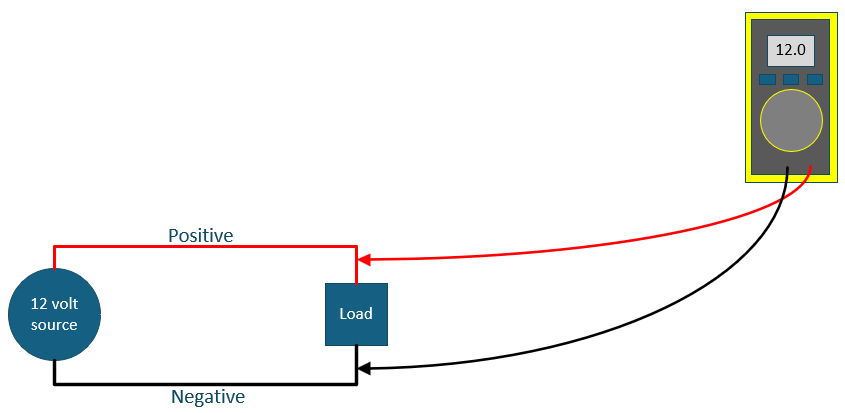
Specifically, we are confirming that we have DC voltage and enough of it. Modern devices are smarter and more sensitive - they will shut down if they don’t get enough voltage. For example, if your batteries are a little soft and only output 11.8 volts, by the time that voltage reaches your refrigeration compressor, you may have dropped enough voltage to reach the compressor’s cutoff voltage. Probing the input terminals on the compressor, as shown below, will tell the story.